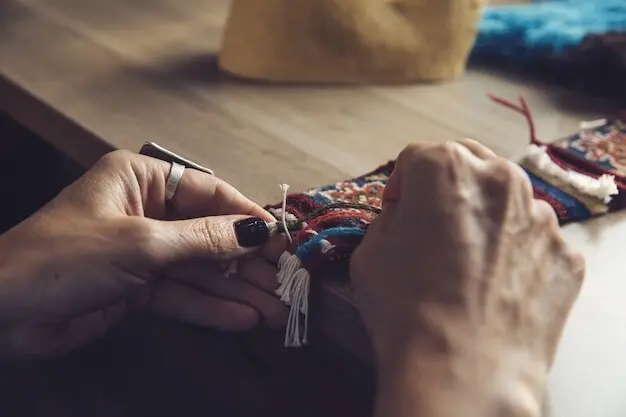
Reviving Idrija Lace, Reweaving Today’s Imagination

Join a living journey where contemporary artisans breathe fresh life into Idrija lace, preserving a beloved Slovenian tradition while daring to place it on modern streets, stages, and tables. Today we explore delicate technique, bold design choices, community schooling, sustainable materials, and heartfelt stories that keep these intricate threads resilient, relevant, and radiant for the next curious hands that will carry them forward with pride.

Threads of Memory in Modern Hands

Across quiet studios and festival squares, makers inherit careful movements taught by grandmothers and local mentors, then test them against the needs of contemporary life. The result is faithful detail without stiffness, and innovation without noise. Their choices feel like whispered conversations between centuries, proving that patience can be progressive, that history can sparkle anew, and that a stitch learned slowly remains strong when it finally meets the world beyond the pillow.

From Attic Patterns to Streetwear Runways

Many makers begin by unrolling yellowed pricking patterns found in family drawers, tracing familiar curves before reshaping them into cuffs, collars, and appliqués for jackets and sneakers. When lace moves from heirloom chest to street silhouette, it earns fresh glances without losing its core softness. Those glances start questions, the questions open conversations, and suddenly tradition is not a museum display but a companion walking confidently under neon lights and changing weather.

Learning the Language of Bobbins

The clack of bobbins becomes a vocabulary: cross, twist, pin, breathe, repeat. Beginners often rush, then discover that rhythm, not speed, forms clarity. Seasoned teachers slow the room, guide hands, and share stories of competitions, mistakes, and breakthroughs. Mastery emerges not from perfection but from repeated kindness to oneself, a kindness that quietly transfers into every motif, where tiny decisions become beautiful sentences written in thread that anyone, anywhere, can read with their fingertips.

Sustaining Dignity for Quiet Work

A delicate craft can be undermined by underpricing and hurried production. Artisans address this by documenting hours, naming materials, and explaining decisions, transforming invisible labor into visible value. Buyers learn to read time inside every loop and knot. That understanding restores dignity and suggests a fairer market where small studios survive, apprenticeships bloom, and each sold piece funds the next experiment, ensuring not just nostalgia, but a thriving, evolving practice measured in livelihoods as well as lace.

Design Evolution Without Breaking the Pattern
Motifs Reimagined Through Minimal Lines

Old floral curves meet modern minimalism when artisans enlarge a petal’s contour, remove busy interiors, and let one confident outline carry the emotion. These careful reductions do not erase history; they spotlight essence. Hung in a sunlit window or printed on translucent paper, the motif becomes both sculpture and shadow. Viewers recognize something familiar yet strikingly new, an echo that invites them closer, where the hand can discover refined order breathing comfortably within today’s calmer visual language.

Color Experiments That Respect Restraint

Old floral curves meet modern minimalism when artisans enlarge a petal’s contour, remove busy interiors, and let one confident outline carry the emotion. These careful reductions do not erase history; they spotlight essence. Hung in a sunlit window or printed on translucent paper, the motif becomes both sculpture and shadow. Viewers recognize something familiar yet strikingly new, an echo that invites them closer, where the hand can discover refined order breathing comfortably within today’s calmer visual language.

Functional Objects with a Lace Soul

Old floral curves meet modern minimalism when artisans enlarge a petal’s contour, remove busy interiors, and let one confident outline carry the emotion. These careful reductions do not erase history; they spotlight essence. Hung in a sunlit window or printed on translucent paper, the motif becomes both sculpture and shadow. Viewers recognize something familiar yet strikingly new, an echo that invites them closer, where the hand can discover refined order breathing comfortably within today’s calmer visual language.

Community, Schools, and Passing the Shuttle

{{SECTION_SUBTITLE}}
Saturday Circles That Stitch Friendships
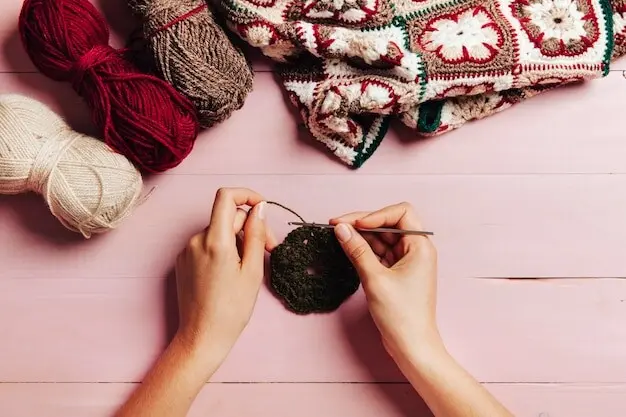
A pot of tea, a pile of bobbins, and the gentle shuffle of chairs become choreography. Newcomers sit beside veterans, and stories flow almost as steadily as thread. People bring mistakes, celebrations, weather reports, and recipes. In this environment, critique arrives softly, improvement feels communal, and attendance becomes a cherished ritual. The lace that leaves these rooms carries fingerprints of many voices, reminding wearers and viewers that beauty can be collective without losing the distinct signature of every hand.

Apprenticeship Journeys with Patient Pauses
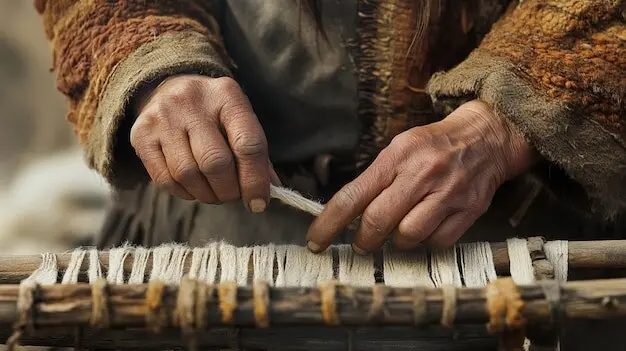
A well-structured apprenticeship honors fatigue, curiosity, and the stubborn knots of learning. Mentors schedule pauses for hand care, eye rest, and reflective notes. They track progress with portfolios, encourage peer teaching, and celebrate small breakthroughs—clean corners, even tension, or a brave rework. Graduates emerge not as copies but as confident interpreters of technique. When they eventually mentor others, the same thoughtful pacing returns, composing a humane lineage where craft and well-being develop together, mutually reinforcing, and generously shared.

Materials, Tools, and the Music of Bobbins

The craft sings through its materials: fine linen and cotton, occasionally silk, wound onto smooth wooden bobbins that click in comforting rhythms. Pillows hold tension steady; pins chart pathways like night-sky constellations. Local woods add warmth and balance, and ergonomic refinements protect wrists. Every object has a job and a personality. Understanding quality and care builds confidence, translating directly into cleaner crossings, stable grounds, and joyful sessions where concentration arrives quickly and lingers as a friendly, sustained focus.
Good thread feels alive: it resists fray, behaves predictably across humidity shifts, and holds a knot without sulking. Sourcing from reputable mills or thoughtful small producers ensures consistency. Some artisans return to flax grown and spun within the region, cultivating a materials loop that shortens distances and strengthens storytelling. When a buyer hears that a collar links field, spindle, and studio, appreciation deepens. The object now carries landscape, labor, and intention braided together inside every glowing fiber.
A comfortable bobbin balances weight and grip, saving fingers during long sessions. Local carvers shape profiles informed by generations of feedback, sometimes engraving initials or tiny motifs that guide placement. The object becomes both tool and heirloom. Occasional repairs—repolishing, replacing a chipped pair—extend life rather than prompt disposal. This maintenance mindset keeps the studio grounded in sufficiency and gratitude, encouraging artisans to invest care in instruments that, in turn, reward them with reliable cadence and quiet, repeatable precision.

Economic Paths for a Delicate Craft

For survival, beauty must meet business with honesty. Artisans test limited editions, accept commissions, and document processes to invite collectors into the making story. Partnerships with museums, ethical boutiques, and hospitality venues create steady channels. Transparent pricing respects hours and expertise, while grants and residencies fund deep experiments. Carefully paced growth avoids burnout, letting artistry lead revenue rather than chase it blindly. When markets learn the true cost of patience, value stabilizes and futures look sturdier.

Care, Conservation, and Honest Restoration

Longevity depends on thoughtful handling: clean hands, gentle washing when appropriate, mindful storage away from light and acid. Mounting on archival backings preserves shape for display, and documented repairs protect integrity. Regional museums and the annual lace festival share guidance, while conservators teach best practices for fibers that tell community stories. At home, owners become guardians, tracking provenance and treatments. When stewardship becomes culture, pieces hold their glow longer, and the craft’s lineage remains readable to future, curious eyes.
Vironilonexolumaravosanopento
Privacy Overview

This website uses cookies so that we can provide you with the best user experience possible. Cookie information is stored in your browser and performs functions such as recognising you when you return to our website and helping our team to understand which sections of the website you find most interesting and useful.