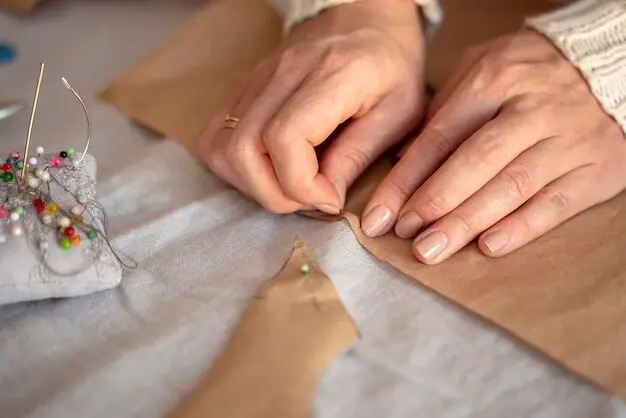
Unhurried Paths Through Slovenia’s Craft Villages

Today we set out on craft-focused slow travel itineraries across Slovenia’s villages, inviting you to move gently, linger with makers, and collect moments rather than miles. Expect blacksmith sparks in Alpine hamlets, lace bobbins whispering in stone courtyards, salt crystals blooming under Adriatic light, and warm conversations that turn purchases into friendships, memories, and meaningful support for living traditions you will help sustain.

Why Unhurried Journeys Enrich the Hands That Make
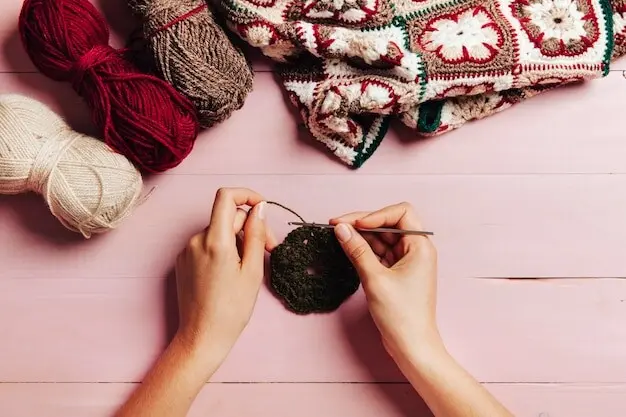
Moving slowly unlocks stories hidden behind every carved spoon, hammered nail, and filigreed lace edge. Time allows you to notice calloused palms, inherited tools, dialects, and recipes passed across generations. Unhurried visits transform curiosities into relationships, deepen understanding of fair pricing, and honor rhythms shaped by seasons, weather, and family life. This pace nourishes villages, strengthens pride, and leaves you with souvenirs that carry meaning far beyond their beauty.

Three Itineraries From Alps to Coast

These routes thread mountains, forests, and the Adriatic, connecting workshops reachable by train, bus, and e‑bike. Each path favors short hops, generous pauses, and chances to sit with artisans rather than sprint past doors. Combine days or stretch a weekend, booking ahead when possible. You’ll return with practical knowledge, resilient memories, and objects whose provenance you can narrate with confidence and joy.

Alpine Metals and Honey Day

Ride the morning SŽ train from Ljubljana to Radovljica for the Museum of Apiculture, painted hive panels, and stories of Anton Janša inspiring World Bee Day. Continue to Kropa’s Blacksmith Museum for live forging, then stroll Škofja Loka’s old lanes where textiles and wood carving still breathe. Distances are walkable with gentle hills; end with a honey tasting that pairs floral notes to village meadows.

Forest Crafts and Folk Motifs Weekend

Base yourself near Ribnica to explore woodenware turners shaping spoons, sieves, and toys, plus classic pottery forms ready for your brush. Add Tržič for shoemaking heritage and leatherwork, then cross to Bela krajina for embroidery lessons inspired by riverbank plants and white linen tradition. Sleep at a tourist farm, share bread still warm from the oven, and discuss dyes steeped like afternoon stories.

Meet the Makers Behind the Mastery
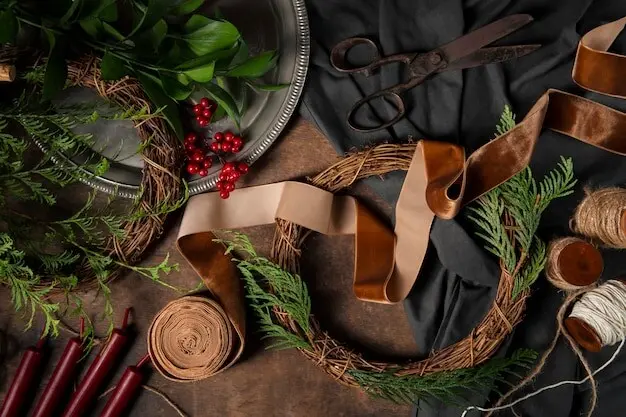
Craft flourishes because people carry it. Across Slovenia, artisans greet travelers with pride, humility, and astonishing focus. You’ll hear laughter rising between clinks of metal, see notebooks recording patterns aligned to seasons, and witness how mistakes become teachers. When you remember their names and stories, every object becomes a bridge, and your itinerary rearranges itself around gratitude, curiosity, and meaningful return visits.

Hands-On Workshops and Booking Etiquette
How to Secure a Spot
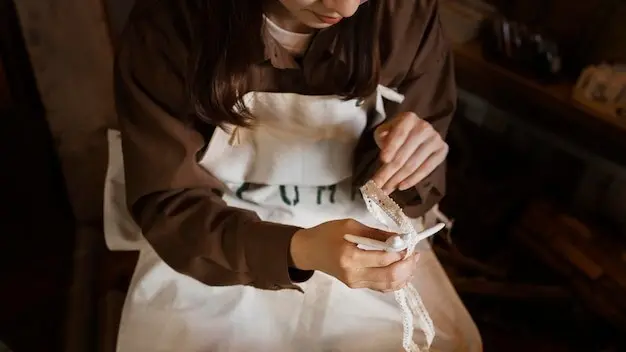
Start with cooperative websites, local tourism boards, or direct artisan emails. Mention dates, group size, interests, and whether you hope to film. Ask about duration, materials included, and payment methods, since cash may still be preferred. Confirm language options and accessibility. Reconfirm a day prior, and arrive a little early, unhurried and ready to listen, so the first minutes can focus on craft, not logistics.

What to Bring and Wear

Closed shoes for smithies, natural fibers near sparks, and a brimmed hat for sunlit salt pans are essentials. Pack a small notebook, water bottle, and tote for purchases. Leave heavy perfumes behind; workshops have subtle scents worth meeting honestly. If you wear rings, remove them before lace practice. Bring reading glasses if in doubt—threads, grains, and chisel marks reward careful, comfortable seeing.

Respecting Time and Craft

Avoid haggling; instead, inquire how prices reflect hours, skill, and materials. Ask before photographing faces, tools, or children. If you share online, credit artisans and tag their shops or cooperatives. Refrain from interrupting concentrated moments; jot questions and ask during pauses. Offer genuine thanks and consider small gifts from your region, exchanged with a note that explains its own making story.

Farmstays and Village Guesthouses

Search for tourist farms offering breakfasts stacked with homemade jams, herbal teas, and cheeses from neighboring pastures. Many host small workshops or know whom to call for private sessions. Ask about bike storage, laundry options, and nearby trails. Evenings often end with tasting platters and long conversations. Booking directly keeps more income local; a few kind words in Slovene brighten every exchange.

Trains, Buses, and E‑Bikes

SŽ trains reach Radovljica smoothly; buses link Ljubljana with Piran and Karst villages. E‑bikes flatten gentle hills, letting you roll between workshops without fretting over parking. Download offline maps and check weekend schedules, which can be lighter. Consider luggage transfer services or a simple backpack, keeping hands free for handles, samples, and salutes. The calmest days happen when timetables feel friendly, not strict.

Flavors That Tell the Story

Pair a honey flight with meadow walks, then order Idrija žlikrofi, those delicate dumplings whose folds echo lace curves. In the Karst, sip robust teran and taste prosciutto cured under stone eaves; around Vipava, explore elegant skin‑contact whites. Pack picnics respectfully, leaving no trace. Ask cooks how seasons guide menus, and you’ll hear recipes that sound like love letters to place.

Travel Light, Leave a Lasting Good

Responsible choices keep workshops thriving. Favor durable objects over armfuls of souvenirs, pay deposits on time, and ship fragile items thoughtfully. Take routes that reduce backtracking, support cooperatives, and visit during shoulder seasons. Speak kindly about makers, online and off. Finally, tell us what you discovered so we can share your tips, refine routes, and celebrate the communities that welcomed you generously.

Authenticity Checklist

Look for maker stamps, school certificates from Idrija’s lace tradition, or cooperative labels in Ribnica. At Sečovlje, seek the park’s markings for salt gathered by hand. Ask artisans to explain wood species, clay sources, and pattern names. Documentation safeguards heritage and helps you retell its journey truthfully. Honest provenance is not a detail; it is the craft’s compass pointing home.

Packing and Shipping Tips

Wrap lace in acid‑free tissue; protect pottery with flexible, not crushing, padding. Post offices are reliable; couriers suit larger crates of woodenware. Keep receipts for customs and potential VAT rules by residence. Avoid checking salt near damp gear; seal it tight. Photograph packages before sealing, label clearly, and message the maker upon arrival so gratitude completes the object’s last small voyage.

Vironilonexolumaravosanopento
Privacy Overview

This website uses cookies so that we can provide you with the best user experience possible. Cookie information is stored in your browser and performs functions such as recognising you when you return to our website and helping our team to understand which sections of the website you find most interesting and useful.