
Hands That Remember: Slovenian Craft, Family, and Continuity

Across Slovenia, families keep living archives of skill, passing secrets of lace, iron, wood, clay, and honey from grandparents to curious children. We explore family craft legacies and intergenerational knowledge transfer in Slovenian artisan communities, tracing how care, patience, and place shape resilient livelihoods. Join the conversation, share your memories, and help celebrate makers whose hands remember what stories sometimes forget.

Roots Carved in Wood, Iron, and Thread
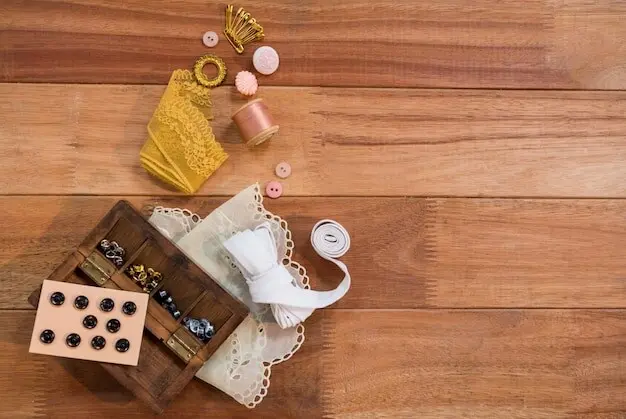
Generations in Slovenia have raised livelihoods from patient repetition: Idrija bobbins clicking late into night, Kropa hammers ringing across valleys, Ribnica peddlers balancing bundles of woodenware. These roots are intimate, domestic, and communal at once, shaping identity and income while inviting children to join, observe, and imitate until gestures feel as natural as breathing.
At many kitchen tables, lace begins with childhood whispers: hold the bobbin like this, listen for the rhythm, read the pricking like a map. Idrija’s lacemaking, recognized on UNESCO’s list, thrives because grandmothers choreograph tiny knots into confidence, teaching patience by sound, touch, and the joy of finishing borders earned stitch by stitch.
In Kropa, a nail is a signature. Fathers and daughters, mothers and sons, learn to read heat by color and feel timing by echo, as water-powered hammers write music against anvils. Museums frame the legacy, yet the truest classroom remains the glowing bar where guidance travels through sparks and steady breath.
Ribnica’s woodenware traveled Europe on the backs of licensed peddlers, but the first lessons started in sheds smelling of shavings and resin. Children counted spoons, learned to sharpen knives safely, and heard market stories that doubled as business school, teaching pricing, humility, and pride packed together in wicker baskets.

How Skills Travel From Hands to Hands

Instruction here is rarely a lecture; it is a choreography of glances, pauses, repetitions, and patient corrections. Young learners shadow elders, then repeat alone, then return with questions. Games become drills, chores become experiments, and mistakes become lore retold during winter evenings when stories mingle with tool care and tea.

Learning by Shadowing and Silent Mimicry

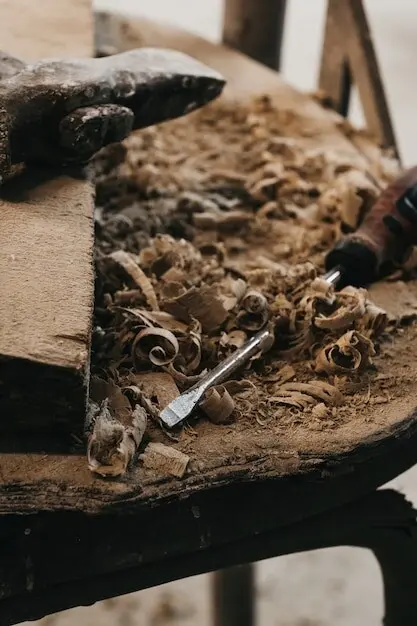
Children first stand close enough to feel wood dust settle on their sleeves, matching tempo rather than words. Silent mimicry builds muscle memory faster than diagrams. Only later come notebooks, measurements, and signed certificates; the foundation is empathy with the process, acquired through weeks of unremarkable, unforgettable proximity.

Rituals That Anchor Memory

The first lace pillow is wrapped like a gift; the first blister from the forge is cooled like a medal. Families embed rites into learning—naming bobbins, blessing chisels, leaving a finished piece on the windowsill—so milestones stick, guiding courage when new patterns, metals, or markets feel daunting.

Heirloom Tools That Teach Without Speaking

Objects hold testimony: a loom with a notch worn by a great‑grandparent’s thumb, an anvil with a face polished by thousands of strikes, beehive panels painted with saints and jokes. These tools explain posture, pressure, and pace on contact, mentoring new hands through weight, balance, and gentle, unforgettable resistance.

Bobbins, Patterns, and Paper Prickings

Idrija families keep folders of prickings softened by decades of pinholes. Children trace lines, guess stitches, and hear which designs fed the household during hard years. Bobbins carry names, dings, and superstitions; their familiarity shortens learning curves because the hand calms when holding wood loved by ancestors.

An Anvil’s Patina as a Family Chronicle

Anvils in Kropa are archives. The sway in the face tells of repaired shoes, baroque hinges, and thousands of nails that financed schoolbooks. When a teenager first feels the rebound, guidance arrives through physics, not sermons. Care traditions—oiling, covering, greeting—reinforce respect stronger than rules written on shop walls.

Beehive Panels and Carniolan Patience

Beekeeping families pass on more than boxes. They share patience measured in seasons, wooden panels painted with wit, and trust in the gentle Carniolan bee. Children learn to read weather, flowers, and family tempers alike, discovering that calm hands and careful timing sweeten work far beyond the honey.

Keeping Heritage Alive in a Digital Marketplace
Instagram as the New Village Fair

A single reel of bobbins dancing or sparks exploding off hot steel can attract mentees, patrons, and museum invitations. Elders narrate while youths film, bridging eras. Captions preserve dialect words, while comments revive cousin networks scattered across borders, renewing orders and pride with every shared memory.

Sourcing Responsibly Without Diluting Soul

Forests, flax, and iron all demand stewardship. Families involve learners in selecting timber, testing threads, and choosing local partners, explaining hidden costs of shortcuts. Responsible sourcing becomes part of the craft’s story, reassuring buyers that beauty, durability, and ecosystems can thrive together when patience guides every decision.

Pricing Time, Not Just Objects

Calculating hours, tool wear, and opportunity costs feels unromantic until a young maker realizes undervaluing labor endangers legacy. Mentors teach spreadsheets beside sharpening stones, articulating why a lace collar or hand‑forged latch deserves dignity. Transparent pricing educates customers and protects families from the quiet erosion of burnout.

Where Villages Become Classrooms

{{SECTION_SUBTITLE}}
Idrija Lace Festival: Patterns, Pride, and Patience
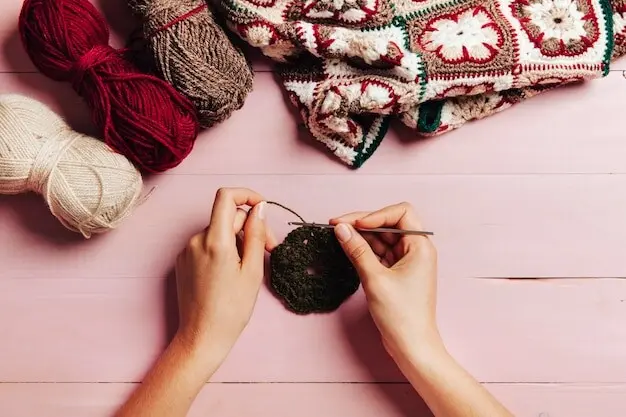
In stalls and schoolrooms, patterns bloom across pillows while elders swap corrections like recipes. Exhibitions honor innovation beside classics, proving tradition breathes. Visitors try a cross and twist, then finally respect the calendar hidden in each border, a calendar measured in hours nobody can fake or rush.

Ribnica Fair and Traveling Sales Reimagined
Peddlers once walked months to sell spoons and sieves; today, makers greet returning families who collect pieces across years. Demonstrations demystify processes, and playful haggling becomes education. Children watch joyful exchanges that teach confidence, storytelling, and the ethics of promising only what hands can truly deliver.

Family Agreements and Clear Learning Paths

Simple documents record expectations: hours shadowing, tasks to master, safety checklists, and scholarships funded by peak‑season sales. These agreements prevent confusion that strains kinship. When love and logistics align, learners feel secure enough to ask bold questions, and elders relax, knowing stewardship will not collapse under assumptions.

Schools, Museums, and Archives as Living Allies

Idrija Lace School, the Iron Forging Museum of Kropa, and regional archives provide curricula, exhibitions, and digitized patterns. Families use them as extensions of home workshops, borrowing vocabulary, contacts, and courage. Field trips turn into internships; history turns into networks that amplify resilience when markets suddenly wobble.

Inviting Newcomers While Honoring Elders

Communities thrive when mentorship includes neighbors, migrants, and curious visitors, not only relatives. Openness sparks innovation without erasing lineage. Ceremonies thanking retiring masters, recorded interviews, and rotating teaching roles balance reverence with renewal, ensuring the line does not shrink into nostalgia but expands into hospitality and shared purpose.

Vironilonexolumaravosanopento
Privacy Overview

This website uses cookies so that we can provide you with the best user experience possible. Cookie information is stored in your browser and performs functions such as recognising you when you return to our website and helping our team to understand which sections of the website you find most interesting and useful.