From Forest to Workshop: Sustainable Slovenian Woodworking with Native Beech and Spruce

Step into Slovenia’s living tradition where careful forestry meets thoughtful craft. Today we explore how native beech and spruce travel responsibly from biodiverse mountain stands to human hands, becoming durable furniture, instruments, and everyday treasures through ethical harvesting, precise seasoning, time-honored joinery, and designs that honor longevity, repair, and regional stories.

Roots in Living Forests

Across Slovenia’s hills, mixed woodlands thrive under careful stewardship, with European beech and Norway spruce sharing light, moisture, and soil on slopes from Kočevsko to Pohorje. Selection systems favor uneven ages, protect understory renewal, and leave habitat trees. Certified practices balance rural livelihoods with biodiversity, guiding each future board long before a saw touches bark, and ensuring resilience against storms, beetles, and heat.

Beech on limestone slopes

Shade-tolerant beech settles into limestone and marl, building dense, fine grain through steady, slow growth. Foresters mark only selected stems, keeping seed trees and diverse companions. This patience yields boards that plane like silk, bend reliably with steam, and hold crisp joinery, while the forest beneath stays cool, moist, and busy with fungi, birds, and browsing deer.

Spruce in high valleys

Spruce stands lift into colder valleys and plateaus, drawing clear, even rings that sing in light frames and resonant panels. Managers monitor bark beetle pressure, favor mixed regeneration, and cable-yard logs from steep ground to curb erosion. Properly dried, this softwood glues eagerly, carves cleanly, and lends surprising strength-to-weight for cabinetry, instrument bracing, and quietly confident architectural details.

Community forestry cooperatives

Local cooperatives knit together smallholders, sawyers, and makers, coordinating sales, thinning schedules, and habitat protections. Shared inventories and transparent pricing strengthen villages while improving quality control. Traceable logs, often tagged from stump to stack, build trust with clients abroad and neighbors at home, proving that responsible woodland care and thriving workshops can grow from the same patient roots.

Ethics of Harvest and Traceability

Thoughtful cutting begins when sap runs low, minimizing staining and stress while wildlife rests. Crews use low-impact routes, mats, and, in fragile pockets, horses to skid without scarring soil. Habitat trees and deadwood remain. Each log collects coordinates, species, and lot numbers, moving under certified chains of custody. This clear story protects forests, honors craft, and reassures customers that promises match practice.

Selective cutting with a purpose

Diameter limits and vigor assessments guide which trunks leave and which remain to seed the next cohort. Foresters retain cavities, snags, and flowering edges for owls, beetles, and pollinators. By distributing harvest over time and space, crews reduce visual scars, spread revenue fairly, and keep roads quieter, letting the woods keep working while people do, too.

From log to lot numbers

Stamps and barcodes follow each round through scaling, sawing, and stacking, linking moisture data, kiln schedules, and grade to an origin map. Audits verify suppliers and paperwork. Even small workshops benefit, quickly answering curious clients about forest districts, felling months, or milling dates, turning a simple chair into a documented journey that dignifies every hand along the way.

Moisture, Seasoning, and Grain

In the yard, boards rest on stickers under wide eaves as air carries moisture away, guided by slow breezes and patient calendars. Beech demands care to avoid surface checking; spruce wants steady shade. Later, kilns finish to interior targets. Quartered grain boosts stability, rift yields elegant lines, and thoughtful end-sealing, stacking, and weighing turns raw planks into honest, obedient material.

Joinery that Respects the Fibers

Good joints follow the wood’s own map. Beech loves crisp tenons that swell tight; spruce prefers long-grain gluing and generous bearing surfaces. Sharp edges, clean knives, and low-angle planes prevent tear-out. Predrilled holes spare soft fibers. Traditional glues, modern waterproof grades, and reversible hide options each find a role, keeping repairs friendly and structure steadfast without unnecessary metal.

Prototyping with offcuts

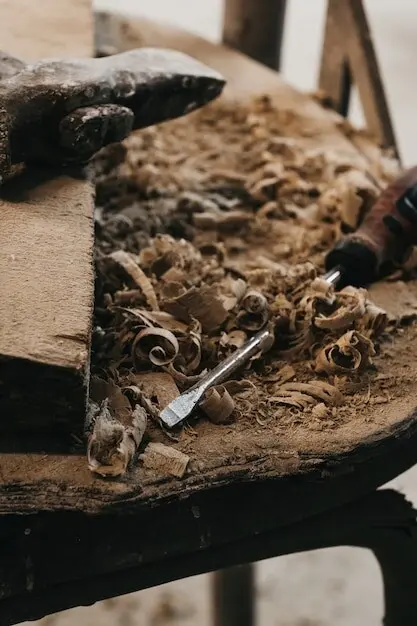
Small trials reveal big truths. Offcuts become test joints, finish samples, and load experiments, exposing weak shoulders or blotchy stains before they spread. Fixtures built from scraps speed repeatability and safety. This playful rigor reduces waste, invites collaboration in the shop, and gives clients tactile previews that build confidence while anchoring prices in demonstrated performance rather than vague promises.

Disassembly without drama

Wedges, tapered pins, and thoughtful hardware choices let furniture come apart for transport, refinishing, or repair. Threaded inserts in beech hold strongly and accept repeated cycles. Spruce panels float in grooves, free to move. Clear markings, owner guides, and spare pegs tucked beneath seats empower caretakers, reducing landfill risk and turning maintenance into a satisfying, story-carrying ritual.

Care rituals that extend life

Seasonal checks for loose tenons, a light soap refresh, and beeswax on runners keep movement smooth and finishes glowing. Humidity between forty and fifty-five percent prevents cracks and mold. Felt pads, coasters, and breathable covers spare surfaces. These small, repeatable habits accumulate into decades of service, connecting households to forests through touch rather than through extractive, throwaway cycles.

Stories from the Bench

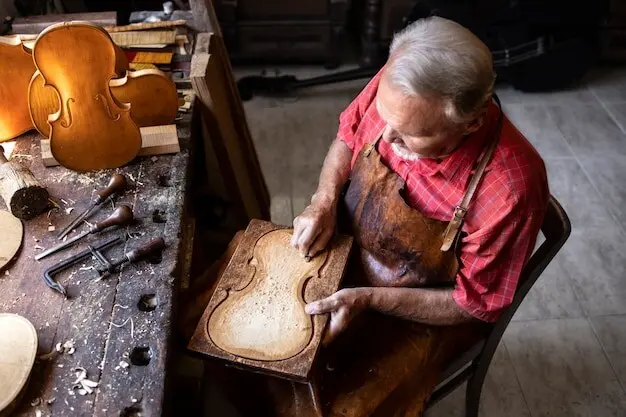
In a Ribnica workshop, spoon carvers swap jokes as steam curls from a bending box; in Škofja Loka, a family sands chair rails while snow hushes the yard. These are quiet economies, rooted in patience and place. Purchasing thoughtfully supports apprenticeships, revives village squares, and returns pride to local names etched small beneath seats, backs, and drawers.
Vironilonexolumaravosanopento
Privacy Overview

This website uses cookies so that we can provide you with the best user experience possible. Cookie information is stored in your browser and performs functions such as recognising you when you return to our website and helping our team to understand which sections of the website you find most interesting and useful.