
Unhurried Paths Through Slovenia’s Craft Villages
Why Unhurried Journeys Enrich the Hands That Make
Three Itineraries From Alps to Coast
Alpine Metals and Honey Day
Ride the morning SŽ train from Ljubljana to Radovljica for the Museum of Apiculture, painted hive panels, and stories of Anton Janša inspiring World Bee Day. Continue to Kropa’s Blacksmith Museum for live forging, then stroll Škofja Loka’s old lanes where textiles and wood carving still breathe. Distances are walkable with gentle hills; end with a honey tasting that pairs floral notes to village meadows.
Forest Crafts and Folk Motifs Weekend
Base yourself near Ribnica to explore woodenware turners shaping spoons, sieves, and toys, plus classic pottery forms ready for your brush. Add Tržič for shoemaking heritage and leatherwork, then cross to Bela krajina for embroidery lessons inspired by riverbank plants and white linen tradition. Sleep at a tourist farm, share bread still warm from the oven, and discuss dyes steeped like afternoon stories.
Meet the Makers Behind the Mastery
Hands-On Workshops and Booking Etiquette
How to Secure a Spot
What to Bring and Wear
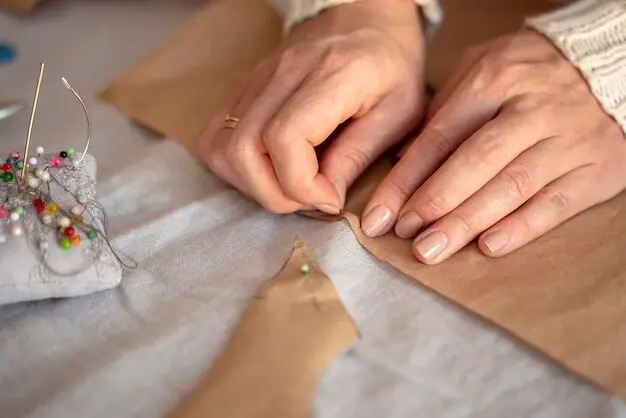
Respecting Time and Craft
Farmstays and Village Guesthouses
Trains, Buses, and E‑Bikes
Flavors That Tell the Story
Travel Light, Leave a Lasting Good
Authenticity Checklist
Look for maker stamps, school certificates from Idrija’s lace tradition, or cooperative labels in Ribnica. At Sečovlje, seek the park’s markings for salt gathered by hand. Ask artisans to explain wood species, clay sources, and pattern names. Documentation safeguards heritage and helps you retell its journey truthfully. Honest provenance is not a detail; it is the craft’s compass pointing home.
Packing and Shipping Tips
Wrap lace in acid‑free tissue; protect pottery with flexible, not crushing, padding. Post offices are reliable; couriers suit larger crates of woodenware. Keep receipts for customs and potential VAT rules by residence. Avoid checking salt near damp gear; seal it tight. Photograph packages before sealing, label clearly, and message the maker upon arrival so gratitude completes the object’s last small voyage.